Consciousness can be summed up as the state of being aware of and able to think about one’s own existence, thoughts, sensations, and surroundings. It involves the ability for us to have subjective experiences and to process information in a way that allows for self-reflection, decision-making, and understanding of the world. At the most basic level, consciousness includes a range of mental activities, such as perception, memory, emotions, and attention.
In the fields of philosophy and science, consciousness is often divided into two aspects:
1. Phenomenal consciousness: This refers to the subjective, qualitative aspects of experience—what it actually feels like to experience something, such as seeing the colour red, tasting the flavour of red wine, smelling the perfume of a red rose or feeling a sharp pain. It’s the first-person, inner experience.
2. Access consciousness: This refers to the brain’s ability to access, process, and respond to information, such as when making decisions or reflecting on thoughts, such as seeing the red rose and remembering to avoid pain from its thorns.
The nature and origin of consciousness remain open questions in academic fields such as philosophy, neuroscience, and psychology.
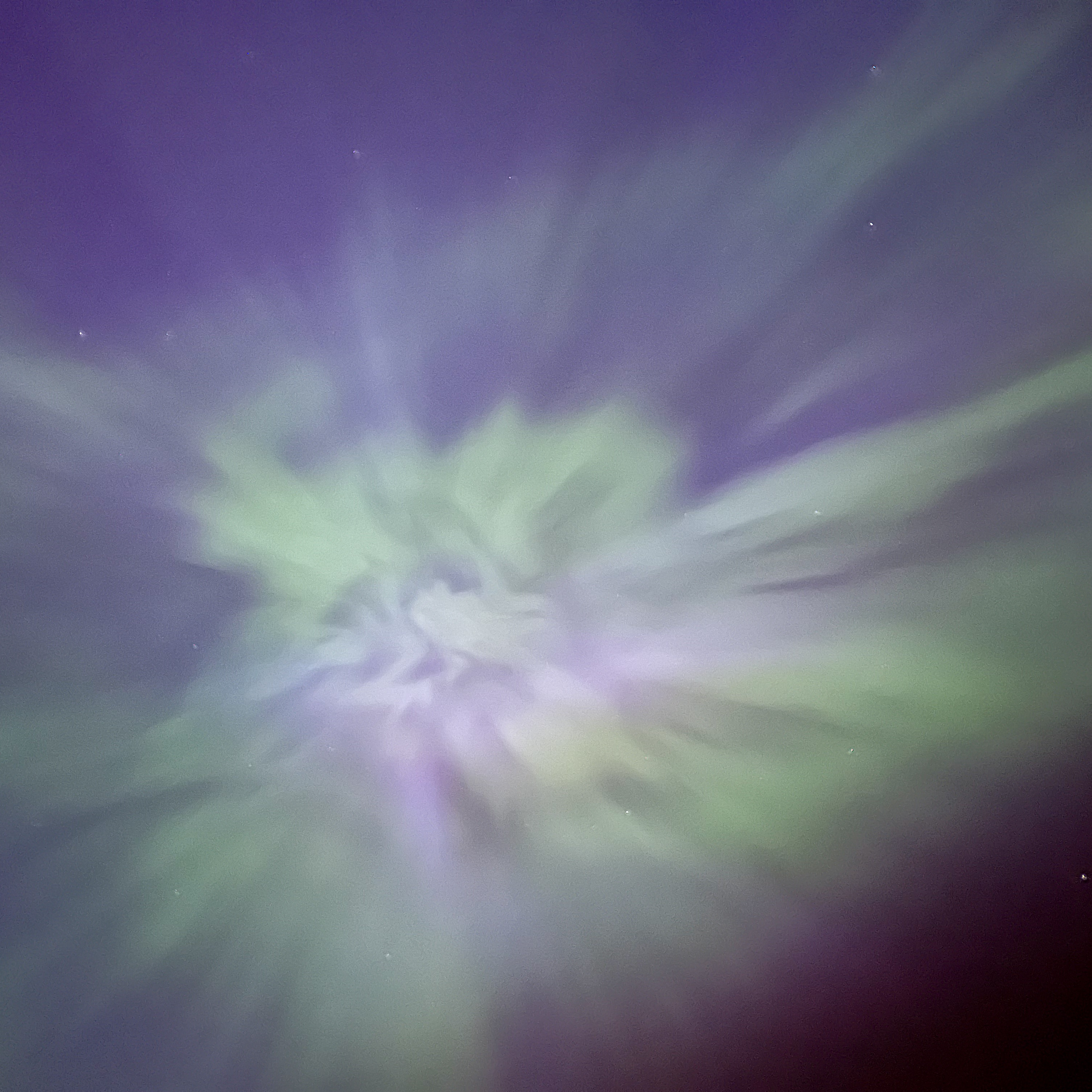
Cosmic Consciousness
Cosmic consciousness is a term used to describe an expanded, heightened state of awareness in which an individual feels a deep sense of connection with the universe, transcending ordinary, individual consciousness. It involves a sense of unity with all things, often accompanied by feelings of awe, enlightenment, and a loss of the ego or separate self.
in 1901, Canadian psychiatrist Richard Maurice Bucke published his book *Cosmic Consciousness: A Study in the Evolution of the Human Mind*. He described it as a higher form of consciousness that goes beyond the self-centered, limited awareness of the individual mind, encompassing a profound sense of being part of a larger, universal intelligence.
Differences between ordinary and cosmic consciousness
There are some key differences between ordinary consciousness and cosmic consciousness:
1. Scope of Awareness:
- Ordinary consciousness is centered on personal experience, thoughts, and perceptions. It is limited to an individual’s immediate awareness.
- Cosmic consciousness involves an awareness that transcends the individual, encompassing the universe as a whole, leading to a sense of unity with the cosmos and all beings.
2. Ego and Self:
- In ordinary consciousness, there’s a strong sense of ego, or the self as separate from the world.
- In cosmic consciousness, this ego dissolves, leading to a feeling of interconnectedness and often spiritual awakening.
3. Perception of Time and Space:
- Ordinary consciousness experiences time and space as linear and fixed.
- Cosmic consciousness often includes an altered perception of time and space, where these may seem fluid, eternal, or illusory.
4. Emotional and Spiritual Impact:
- Ordinary consciousness is driven by everyday emotions, thoughts, and concerns.
- Cosmic consciousness is often associated with intense positive emotions like love, joy, and peace, and is described as a spiritual or mystical experience.
Though it can overlap with spiritual or religious experiences, cosmic consciousness is considered by some to be a natural evolutionary step in human mental and spiritual development. It contrasts with regular consciousness in its sense of transcendence and unity, offering an experience that goes beyond personal, everyday awareness. .
Phenomenology in Consciousness
Phenomenology in consciousness refers to the study of how individuals experience and perceive phenomena, focusing on the subjective, first-person point of view. In this context, it explores the structures of consciousness and how we become aware of and interpret experiences.
When applied to UFO experiences, for example, phenomenology would examine how people perceive and interpret encounters with unidentified aerial phenomena (UAP). It would focus on the subjective aspects of these experiences—what the experiencer feels, senses, and believes during the event—rather than the objective reality of the phenomena.
Furthermore, phenomenology might explore how cultural background, personal beliefs, or psychological states influence the perception of a UFO sighting. It would seek to understand the lived experience of seeing a UFO, including the emotions, thoughts, and meaning-making processes involved.
Researchers in this area would be less concerned with proving or disproving the existence of UFOs and more interested in how such experiences shape a person’s consciousness and understanding of the world.
You can find another, earlier post about consciousness here.








 Cosmic Consciousness
Leave a comment